How to Price Liquidation Inventory: A Data-Driven Method
A repeatable method for pricing returned and liquidation goods: pull live comparables, set price by condition, and re-price on an aging schedule to keep stock moving.
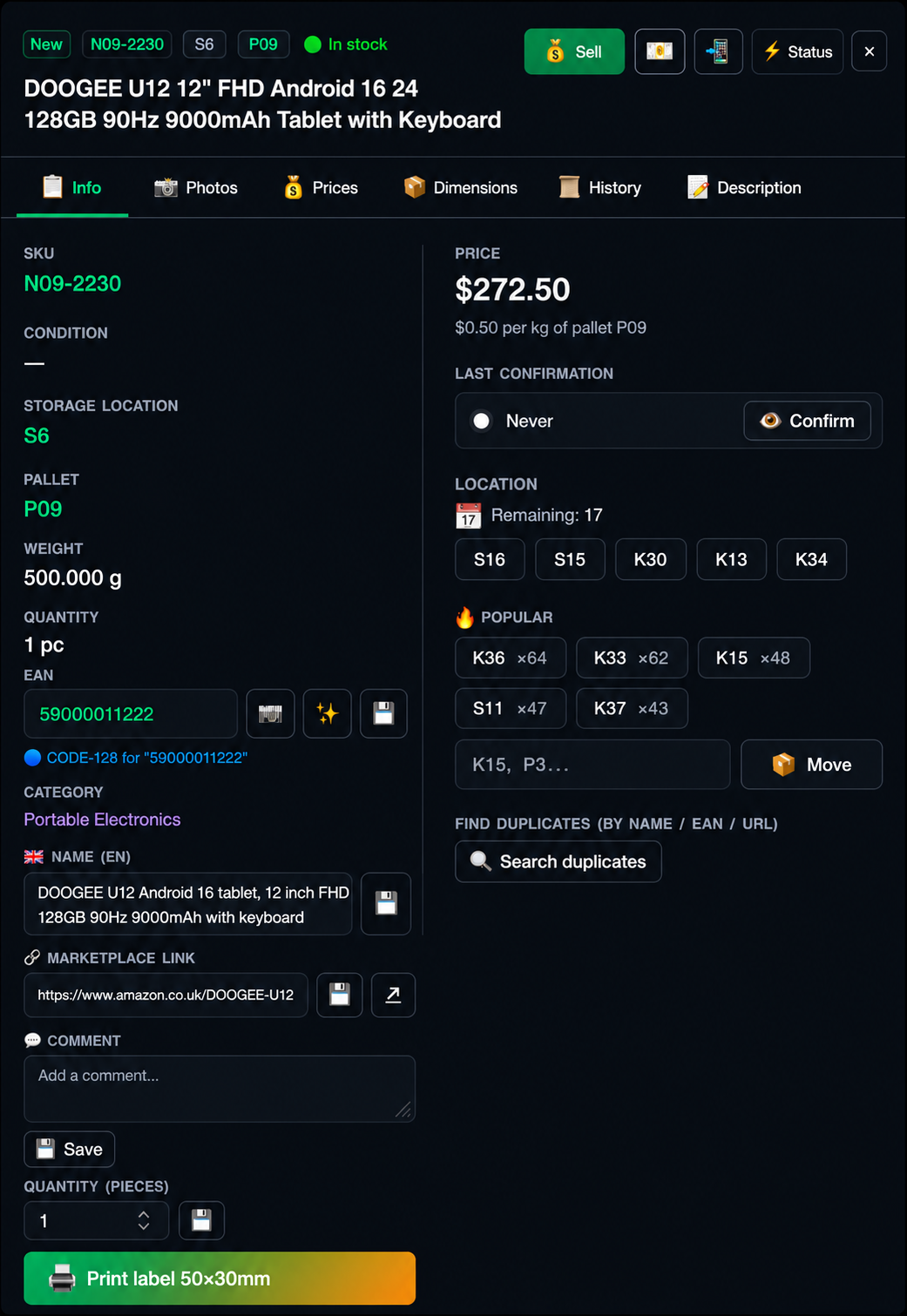
Pricing is the single biggest lever in a returns business. Too high and inventory ages; too low and you give away margin. The fix is a simple, repeatable method instead of gut feel.
Start from live comparables
For every item, pull the current selling price of the same model in the same condition across marketplaces. Use the realistic, lowest credible price — not the highest aspirational listing. That number is your ceiling.
Adjust by condition
| Condition | Price vs new-comparable |
|---|---|
| New / like-new | 85–95% |
| Used – good | 55–75% |
| For parts | 15–30% |
Be honest about condition in both price and listing — accurate grading reduces returns and disputes, which protects your marketplace rating.
Re-price on an aging schedule
Automate the boring part
Doing this by hand across hundreds of one-off units is impossible. AI pricing pulls comparables, suggests a condition-adjusted price and flags aging stock for markdown automatically — see how Amazstock prices a whole pallet at once.
Frequently asked questions
How should I price used or returned items?
Pull the live market price for the same model and condition, set yours just below the lowest credible comparable, adjust down by condition, and re-price on an aging schedule.
How often should I re-price inventory?
Weekly at minimum, with automatic markdowns at 30/60/90-day aging thresholds so slow movers do not become dead stock.