How to Start an Amazon Returns Reselling Business in 2026
A step-by-step playbook for building a profitable Amazon-returns reselling business: where to source returns, how to grade and price them, and how to sell across marketplaces.
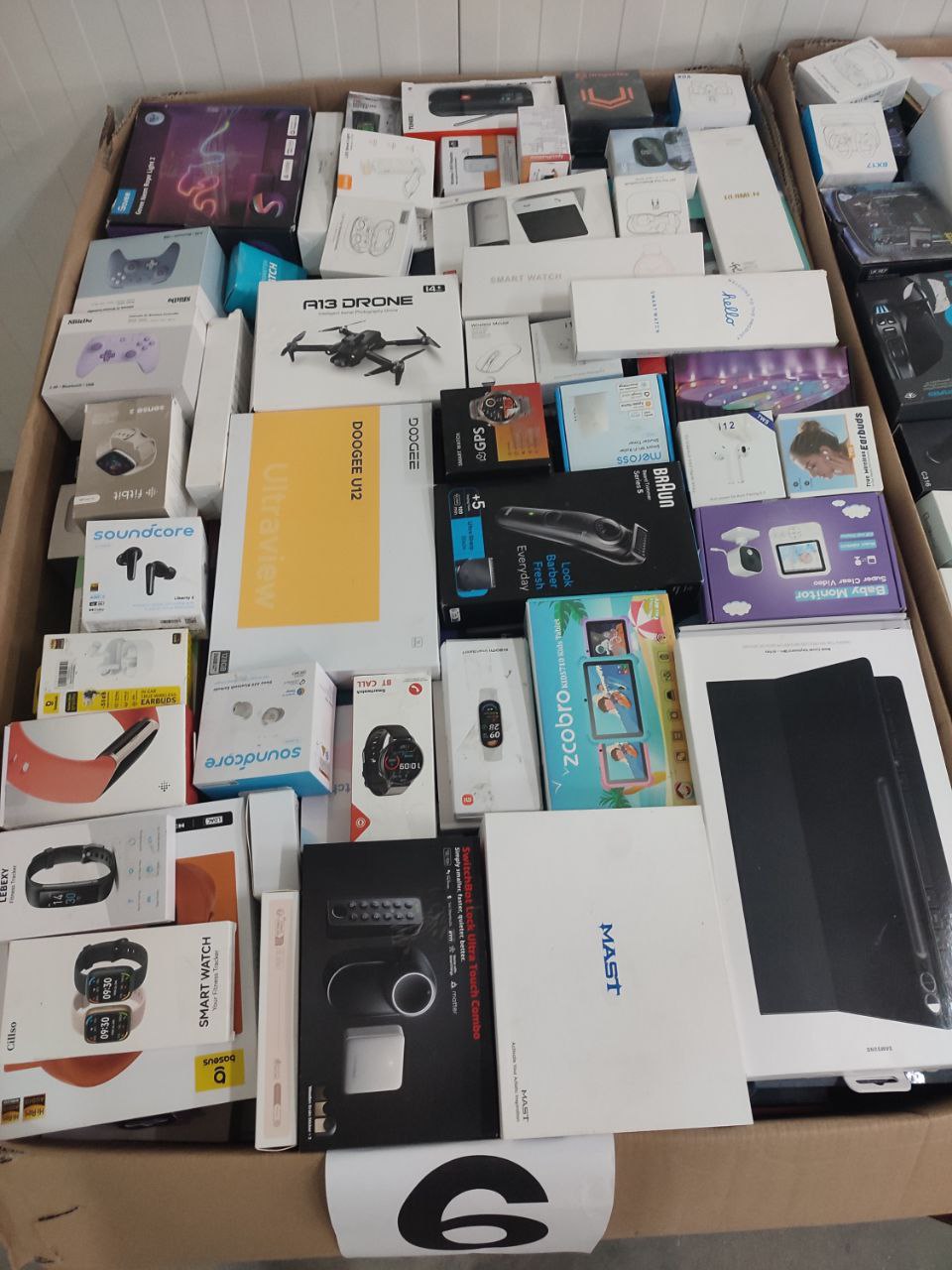
Every year retailers send billions of dollars of customer returns back into the supply chain. Most of those items are perfectly sellable — they were opened, swapped, or simply unwanted. Reselling Amazon returns turns that mispriced inventory into margin. This guide walks through every step, from your first pallet to a repeatable operation.
What an Amazon returns business actually is
You buy returned and overstock merchandise in bulk — usually by the pallet or truckload — at a steep discount to retail, then resell the good units individually. Margin comes from the gap between the liquidation price you pay and the resale price a single unit fetches on a marketplace.
The model rewards operators who can intake, grade, photograph, price and list inventory fast and consistently. The bottleneck is rarely sourcing — it is processing speed and pricing accuracy.
Step 1 — Source your first pallet
Liquidation inventory comes from a few reliable channels:
- Retailer liquidation marketplaces — official B-stock auction platforms where large retailers sell returns by the lot.
- Wholesale liquidators — companies that buy truckloads and re-sell by the pallet.
- Local arbitrage — store closures, clearance and regional wholesalers.
Start with a single, category-specific pallet (e.g. consumer electronics or home goods) rather than a mixed "general merchandise" load. Category focus makes grading and pricing far easier on day one.
Step 2 — Intake and grade every unit
When a pallet arrives, process it like a tiny warehouse: scan, test, grade, and assign a condition. A simple grade scale works:
| Grade | Meaning | Typical recovery |
|---|---|---|
| New / Like-new | Unopened or unused | 70–90% of retail |
| Used – good | Tested, works, minor wear | 40–65% |
| For parts | Defective / incomplete | 10–25% |
Record condition, photos and a working article number for every unit. This is where most beginners lose money — untracked inventory becomes dead stock.
Step 3 — Price with data, not guesswork
Pull a current market price for each item before listing — check live marketplace prices for the same model and condition. Price slightly below the lowest credible comparable to win the sale while protecting margin. Re-price weekly: stale prices are the number-one cause of slow-moving inventory.
Step 4 — Sell across multiple marketplaces
Never rely on one channel. List the same inventory across several marketplaces to multiply demand, and auto-deactivate a listing everywhere the moment a unit sells to avoid overselling. Multi-channel sellers consistently clear inventory faster and at higher average prices than single-channel sellers.
Step 5 — Systematize and scale
Once one pallet is profitable, the constraint becomes process. The operators who scale are the ones who shorten the path from pallet received to listed for sale. AI now does the heavy lifting — recognizing products from a photo, drafting titles and specs, suggesting prices and pushing listings to every channel automatically. That is exactly what Amazstock was built for.
Frequently asked questions
How much money do I need to start reselling Amazon returns?
You can start with a single pallet for a few hundred dollars plus basic tools (a phone camera, shelving and a label printer). The bigger investment is time spent processing inventory accurately.
Are Amazon return pallets profitable?
They can be very profitable when you control two things: a low cost per unit (buy by the pallet) and fast, accurate listing. Profit erodes when inventory sits untracked or is mispriced.
Where can I sell items from a returns pallet?
Sell across multiple marketplaces at once and your own storefront. Listing the same stock on several channels and auto-removing sold units is the fastest way to clear a pallet.
How do I price returned items?
Look up the live market price for the same model and condition, then price just below the lowest credible comparable. Re-price weekly to keep inventory moving.